“Continuing to rely on halogen, fluorescent and many high-intensity discharge (HID) lamps such as metal halide and high-pressure sodium will soon be impossible.” — Malcolm Richards, CEO, Lighting Council Australia (June 2026)
If you’ve tried sourcing replacement lamps recently, you’ve probably already noticed the warning signs.
- Lead times are increasing
- Prices are rising
- Manufacturers are reducing product ranges
- Regulators are pushing the industry towards LED technologies
For decades, the solution was simple – when a lamp failed, you replaced the lamp.
But what happens when replacement lamps become harder to source, more expensive to buy and increasingly difficult to justify?
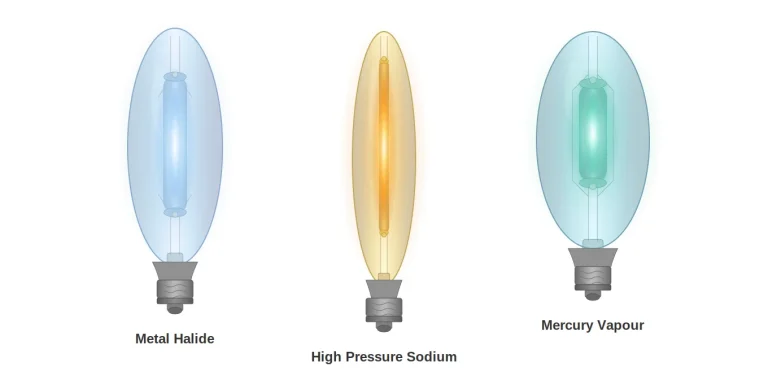
Across Australia, thousands of warehouses, factories, food processors and infrastructure assets still rely on metal halide, high pressure sodium and mercury vapour lighting.
Eventually, every one of those facilities will face the same question:
What comes after lamps?
The transition away from legacy lamps may become one of the most significant lighting upgrades many facilities undertake over the next decade.
In our next email, we’ll challenge the conventional view that transitioning to LED means replacing every fitting.